A new concrete driveway is a big purchase. It sets the look of your home, and it carries your cars for decades. Mistakes in planning are hard to undo once the concrete is hard.
Trabajastu Concrete is a referral service. We do not pour or finish concrete. We help homeowners in Stonecrest, GA reach independent providers in our network. This page explains what drives the price, which safety problems come first, and what to ask before work starts. Use it to compare written quotes with a calm head. Quote before pour. Price in writing. Then choose the provider that fits your plan and budget.
Check Safety Before Anything Else
Start with the hazards. A driveway can hurt someone long before it looks bad.
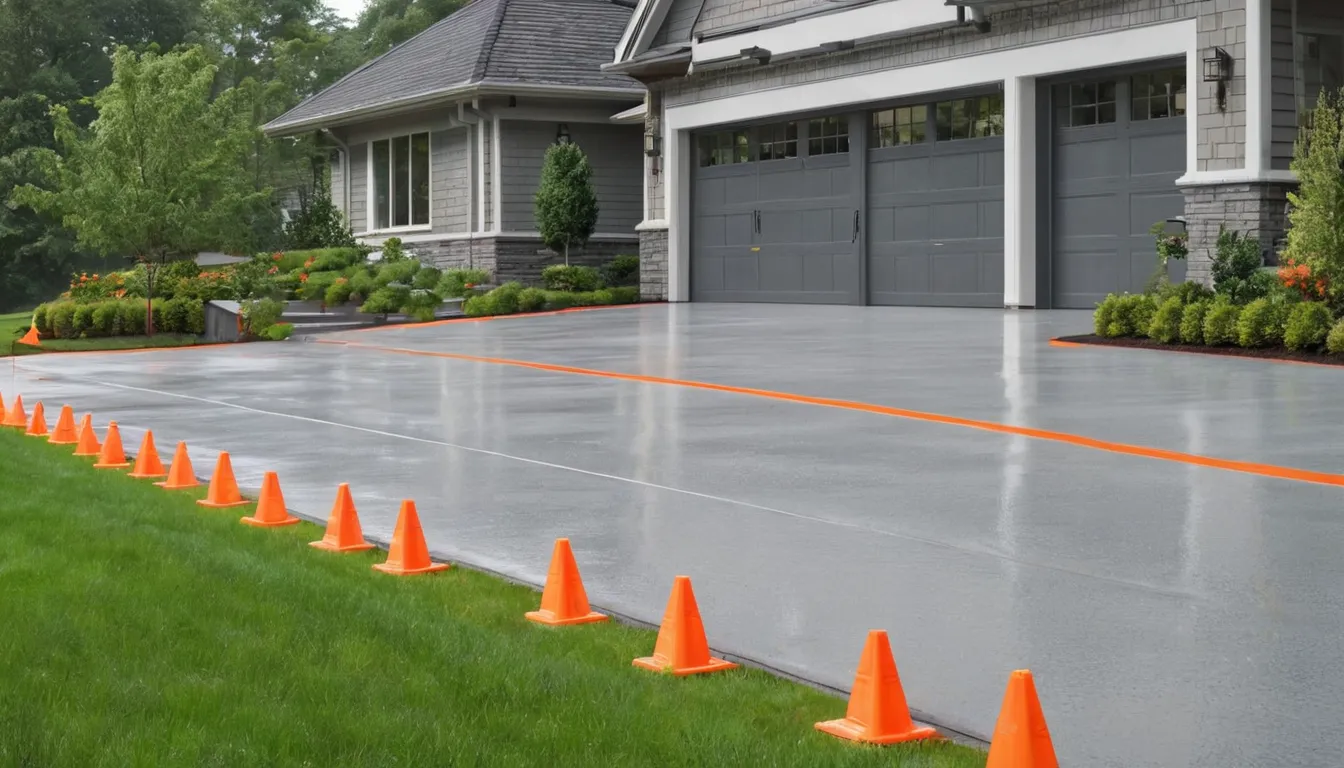
- Do mark any raised edge or sunken slab with bright tape or a cone.
- Do keep kids, bikes and walkers away from broken corners.
- Do not drive a heavy truck over a slab that rocks or sinks.
- Do not pour a quick patch over loose chunks. It will not hold.
Signs Your Driveway Needs Replacing
Some wear is normal. These signs point to a full replacement instead of small fixes:
- Wide cracks that run through the whole slab
- Sections that sit higher or lower than their neighbors
- Crumbling, flaking or pitted surface
- Standing water that never drains
- Gravel or soil showing at the edges
If you only see a few thin cracks, ask a provider about concrete driveway repair first. A good provider will tell you when repair is enough.
Why Slabs Fail in Our Climate
Hot, humid summers make concrete expand. Heavy thunderstorms soak the soil under it. Now and then, an ice storm or the remains of a tropical system adds even more water. Soft, wet ground under a slab is the most common cause of sinking. Poor base work makes it worse.
If water also pools near your foundation, mention it. Some jobs need foundation repair experts to look at drainage before new concrete goes down.
What a New Driveway Project Includes
Most full replacements follow the same path. Ask each provider to list every step in the quote.
- Removing and hauling away the old slab
- Grading the soil so water runs away from the house
- Laying and packing a gravel base
- Setting forms and reinforcement
- Pouring, smoothing and finishing the concrete
- Cutting joints so cracks form in neat lines
This kind of concrete flatwork depends on prep. The pour is the short part.
What Drives the Price
Size is the biggest factor. After that, the cost moves with the old slab removal, the base work, the thickness, the finish and how easy it is to reach your lot. Typical ranges are in the table below. They vary by job, so treat them as a starting point only.
Price in writing. A verbal number is not a quote.
Choosing Size, Thickness and Finish
A single-car driveway is often about 10 to 12 feet wide. A two-car driveway is often 20 to 24 feet wide. Extra width near the garage makes turning easier.
Many home driveways use about 4 inches of concrete. Heavy trucks, RVs or soft soil may call for 5 or 6 inches. Ask the provider why they picked their number.
A broom finish gives grip when wet. That matters in rainy weather. Smooth, glossy surfaces can get slick. Color and patterns cost more, and they have their own page on this site.
Permits and the Street Apron
The apron is the part of the driveway where it meets the street. Many towns control it. You may need a permit, a set width or an inspection.
- Do ask who pulls the permit, you or the provider.
- Do ask if utility lines or a water meter sit near the work area.
- Do not start work before you know the local rules.
If the street edge is cut or poured the wrong way, the town can ask for it to be redone.
How to Choose a Concrete Provider
Providers in our network are independent businesses. Talk to more than one. Ask questions early.
- Is the quote in writing, with all steps listed?
- What base depth and thickness are planned?
- Is reinforcement included?
- Who handles the permit?
- Is there a written warranty, and what does it cover?
Be careful with anyone who asks for the full payment up front. Be careful with a price that is far below the others. Ask what was left out.
Red Flags in a Quote
- No square footage listed
- No mention of base or removal
- A "special price" that expires today
- No written terms
A clear quote lets you compare two providers line by line.
Weather and Timing
Concrete needs mild, dry conditions to cure well. Very hot afternoons dry the surface too fast. Heavy rain can pit a fresh finish. Ask your provider how they plan for the forecast, and stay flexible on the pour date.
On Pour Day
- Do move vehicles and keep pets inside.
- Do be available for questions about edges and slope.
- Do not let anyone add water to the mix on site. Extra water weakens the concrete.
After the Pour
Fresh concrete looks hard before it is ready. Keep it clear.
- Keep cars off for the time your provider gives you, often a week or more.
- Keep foot traffic and pets off at first.
- Water the slab or cover it if your provider advises it.
- Hold off on salt or harsh cleaners during the first season.
- Ask when to seal the surface.
Look at the slab once rain has fallen. Water should run off, not sit in puddles. Tell the provider about any concern while the warranty is fresh.
Ask, Then Pour
A good project starts with questions. If you want help reaching a local provider, Request a callback to check provider availability, or send the request form and compare written quotes at your own pace.
What's Included
Old Slab Removal
Breaking up, loading and hauling away the worn driveway so new concrete starts clean.
Grading and Base
Shaping the soil and packing gravel so water drains away and the slab stays level.
Forms and Reinforcement
Setting edges and steel or mesh to help the slab resist cracking under weight.
Pour and Finish
Placing, smoothing and texturing the concrete, then cutting joints for neat crack lines.
Typical Driveway Costs in the U.S.
These are typical U.S. ranges for a new driveway. Your job may cost more or less, so get a written quote that lists each line.
| Item | Typical range | Notes |
|---|---|---|
| Plain broom-finish concrete | $6 – $12 per sq ft | Includes pour and basic finish on a standard 4 inch slab |
| Old slab removal and haul-away | $1 – $3 per sq ft | Depends on thickness, steel and disposal fees |
| Grading and gravel base | $1 – $3 per sq ft | Soft or wet soil can raise this cost |
| Reinforcement (rebar or mesh) | $0.50 – $1.50 per sq ft | Often added for heavy vehicles |
| Color or decorative finish | $2 – $8 extra per sq ft | Prices rise with patterns and detail |
| Permit and apron work | $100 – $1,500 | Local rules and street work vary widely |
How It Works
Describe Your Driveway
Share the size, the problems you see and when you hope to start.
Reach a Local Provider
Request a callback to check provider availability, or send the estimate request form.
Compare Written Quotes
Look at each line: removal, base, thickness, finish, permit and warranty.
Choose and Schedule
Pick the provider you trust and confirm the pour date and curing plan.
Why Call Trabajastu Concrete
Safety Comes First
Clear do and do not advice helps you avoid trip hazards, bad patches and rushed choices.
Plain Pricing
We explain what drives cost so a written quote makes sense line by line.
Less Searching
Reach an independent local provider in our network without calling around for hours.
No Pressure
Ask questions, compare quotes and decide when you feel ready. No obligation.
Other Services
Need home concrete driveways in Stonecrest?
Planning a new driveway or patio? Send a request through the estimate form, or Request a callback to check provider availability in the Stonecrest area. There is no obligation to ask.
No obligationHome Concrete Driveways FAQ
- How much does a new concrete driveway cost?
- Typical U.S. prices run about $6 to $12 per square foot for plain concrete, before removal, base work and permits. Costs vary by job, so ask for a written quote that lists every step.
- How long does a new concrete driveway last?
- A well-built concrete driveway often lasts several decades. Good base work, proper thickness, joints and drainage matter most. Ask each provider how they prepare the ground and what warranty they offer in writing.
- How long before I can drive on a new concrete driveway?
- Many providers ask you to stay off with cars for about a week or longer, and to keep feet and pets off at first. Follow your provider's written instructions, since weather changes curing time.
Tell us what happened
Planning a new driveway or patio? Send a request through the estimate form, or Request a callback to check provider availability in the Stonecrest area. There is no obligation to ask.
No obligation